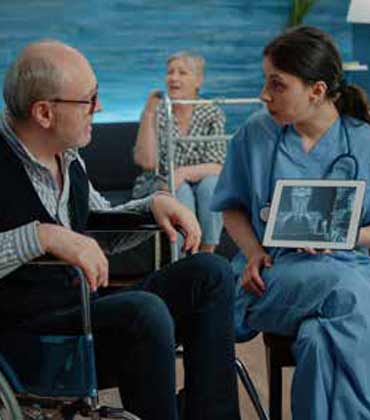
My nursing journey began in 2004, during frequent visits to my grandfather, who was living with Alzheimer’s Disease. It was during these visits that I met Charmaine, a nurse at Folts Home (now Folts Brook), whose compassion and dedication left an indelible mark on me. Charmaine’s exemplary care, combined with the influence of my aunt and uncle—both nurses—helped shape my decision to pursue a career in nursing.
In 2004, I enrolled in the Licensed Practical Nurse (LPN) program at Herkimer County BOCES and graduated with my LPN certification. I immediately began working full-time at Folts Home, where Charmaine had once worked. At the same time, I attended St. Elizabeth’s College of Nursing fulltime to earn my Registered Nurse (RN) qualification. Over the next several years, I progressed within the organization, from LPN to RN Supervisor, and eventually became the RN Nurse Manager of the Alzheimer’s/Dementia unit.
In 2011, my dedication and hard work led to a promotion to Director of Nursing at Countryside Care Center, where I continued to build on my leadership skills. Over the next 12 years, I worked alongside a Director of Nursing across two facilities, eventually earning a promotion to Regional Director of Nursing. Throughout my career in skilled nursing facilities (SNFs), I have focused on driving positive change, improving patient care, and fostering strong, motivated teams.
After 12 years in a leadership role, I faced the challenge of my position being eliminated, which led me to search for new opportunities. That’s when I discovered Centers Health Care, a company that immediately recognized the value of my experience and offered me an interview. I’m proud to have found my home at Centers Health Care, a leading provider of SNFs and Assisted Living Programs across New York State and South Jersey. The company’s unwavering commitment to improving residents’ lives and supporting their staff aligns perfectly with my values. The leadership team at Centers Health Care is deeply invested in ensuring that all facilities adhere to DOH and CMS regulations while prioritizing the well-being of their staff. I am grateful to be part of such a dedicated team, focused on creating meaningful, positive change in elder care.
Tackling the Staffing Crisis in Elder Care Nursing
Staffing remains a nationwide challenge in elder care, not due to the number of available nurses or CNAs, but the shortage of individuals who want to do the job. Many nurses still perceive nursing homes as a “taboo” career path, discouraging them from entering the field. Having been in long-term care for 18 years, I believe this is the primary challenge. The work we do in nursing homes, especially in areas such as trachs, PICC lines, IVs, Ostomies, wound vacs, tube feeding, vents, behaviors, and drug/alcohol withdrawals, is just as complex as the care provided in hospitals, particularly in medical-surgical units. It’s crucial to change the mentality around nursing homes, moving away from the idea that they are places for nurses whose careers are ending. By shifting this perception, we could attract more nurses to the field.
Making a difference in the lives of residents, helping them heal and regain independence, and seeing their faces light up with a smile is what makes elder care so fulfilling
Creating a Motivated and Skilled Nursing Team
I firmly believe in fostering a positive, upbeat atmosphere in the workplace. It’s important to maintain positivity, not only for the benefit of the team but also for the residents we care for. A positive, fun environment helps staff avoid burnout and leaves them feeling fulfilled at the end of each shift. Laughter truly is the best medicine, and if I can make one employee and a couple of residents laugh during my visits, I know I’m making a difference. As a Regional Director of Nursing, my role is to ensure facilities are compliant with DOH and CMS regulations. I oversee the facility’s Directors of Nursing and audits, which are key to a well-run operation. When issues arise, developing a plan to address them is essential. While my role might sometimes be perceived as “micromanaging” or “helicoptering,” I strive to lead by example and work alongside my teams. I keep my nursing teams informed about all changes, whether positive or negative, which helps build trust and keeps them motivated, even when they think they know everything.
Measuring Quality of Care: Key Metrics That Matter
Quality of care can be assessed through tools like the 5-star report and the Quality Measures report. Two critical metrics to monitor include “in-house acquired pressure areas” and “resident complaints.” If a facility has more than one or two cases of acquired pressure areas, it suggests a pattern that needs immediate attention. Resident complaints are also valuable feedback, and the best place to hear them is during resident council meetings. While these meetings can sometimes be viewed as complaint sessions, they provide valuable insights into areas that need improvement. Nursing homes must listen to residents and strive to make them happy, as “happy residents equal happy and successful outcomes.”
Balancing Dignity and Independence in Elder Care
We place a strong emphasis on individualized care plans, working as an interdisciplinary team to meet each resident’s unique needs. For example, while a skilled nursing facility typically provides one shower per week as a regulatory requirement, if a resident wishes for more frequent showers, we work with them to find a solution. Our goal is to promote as much independence as possible while maintaining dignity and respect. Although many residents require assistance, we strive to enhance their independence and happiness through engaging in activities, social services, and other departments.
Innovative Programs That Enhance Patient Outcomes
Our therapy programs, including Speech, Occupational, and Physical Therapy, are tailored to each resident’s needs. In addition, we offer specialized wound care and a range of services to improve residents’ quality of life and help them transition back into the community. Centers Health Care has also launched a program called “Care That Moves You,” which promotes healthy habits through movement and rehabilitation programs. This initiative encourages residents and patients to stay active and engaged, which helps improve their overall well-being.
The Future of Geriatric Nursing: Trends and Technological Advancements
As we look to the future, we anticipate fewer nurses, but a greater need for skilled care due to the aging population. Recruiting and promoting nursing will be crucial in meeting the demand for elder care. I also see technology playing a key role in improving care outcomes. We see devices that monitor residents in real-time, tracking vital signs and other health metrics. Centers Health Care is trialing this technology at the Schenectady Center in Schenectady, New York, and potentially at the Glens Falls Center in Glens Falls, New York. This technology enables faster response times, helping us treat residents in-house and avoid unnecessary hospital visits. Reducing hospital transport helps alleviate stress for residents, allowing them to remain comfortable and cared for in their familiar environment.
Advice for Aspiring Nurses: Embracing Elder Care as a Rewarding Specialty
Elder care is a deeply rewarding field that demands compassion, patience, and dedication. I’ve made a career out of caring for the elderly, and I believe there is always room for advancement in this field. The satisfaction of helping a resident recover, whether through short-term rehab or long-term care, is immeasurable. Making a difference in the lives of residents, helping them heal and regain independence, and seeing their faces light up with a smile makes elder care so fulfilling. For anyone considering nursing, I encourage them to embrace this field—it’s one of the most meaningful ways to make a real difference in people’s lives.